


4jl | Exploring the Depths of Strategy Games: A Haven for Tactical Masterminds
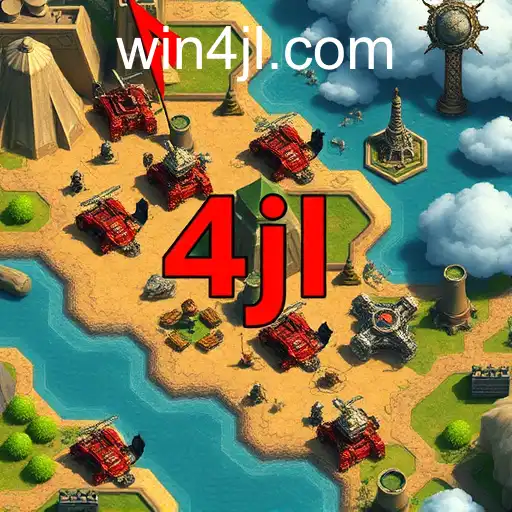
In the ever-evolving landscape of video games, strategy games have carved out a prominent niche, captivating players with their intricate mechanics and demanding gameplay. These games, characterized by their focus on strategic planning and tactical execution, offer players the opportunity to immerse themselves in a world where every decision counts, and foresight is paramount.
The allure of strategy games lies in their ability to challenge players to think several steps ahead, anticipate opponents' moves, and adapt to dynamic situations. Unlike other genres that may prioritize reflexes and quick reactions, strategy games reward patience, careful planning, and adaptability. Whether it’s the vast civilization-building sagas like 'Civilization' and 'Total War,' the intense real-time battles of 'StarCraft' and 'Company of Heroes,' or the intricate turn-based tactics of 'XCOM' and 'Fire Emblem,' strategy games offer a diverse array of experiences for players to explore.
One of the defining features of strategy games is the depth of gameplay they offer. Players can lose themselves in hours of planning, managing resources, and fine-tuning their strategies to outmaneuver their opponents. This depth not only provides immense satisfaction to players who successfully execute their plans but also fuels a competitive spirit among the gaming community. Esports leagues dedicated to games like 'StarCraft II' and 'Warcraft III' showcase the highest levels of strategic prowess, drawing in audiences who appreciate the skill and intelligence involved in these digital chess matches.
In addition to their competitive aspect, strategy games are praised for their replayability. Each game offers a unique set of challenges, as players must continually adapt their strategies to accommodate new opponents and scenarios. This variability ensures that no two playthroughs are identical, providing players with endless opportunities to hone their skills and discover new strategies.
The appeal of strategy games extends beyond traditional gaming platforms. Mobile and online games have expanded the reach of this genre, making strategic challenges accessible to a broader audience. Titles like 'Clash of Clans' and 'Hearthstone' have brought strategic gameplay to mobile devices, allowing players to engage in tactical warfare and strategic card battles anywhere, anytime.
In conclusion, strategy games continue to capture the imaginations of players around the world, offering rich, engaging gameplay that tests the intellect and strategic acumen of even the most seasoned gamers. As technology advances and developers continue to innovate, the future of strategy games looks promising, with new worlds to conquer and new challenges to face. For those who thrive on tactical planning and strategic execution, the realm of strategy games is a boundless playground, ready to be explored.
